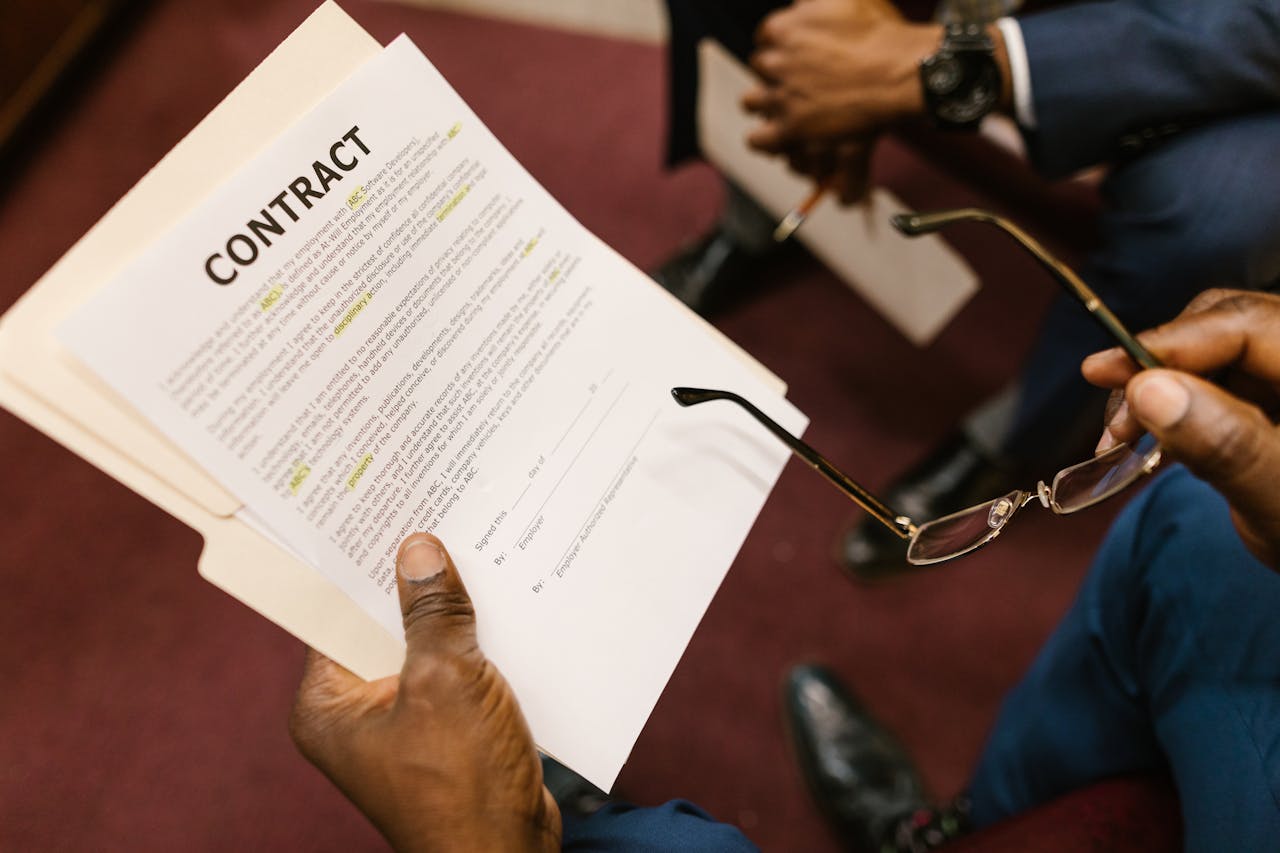


Businesses operating in Dubai need to manage contracts, commercial relationships, regulatory requirements, and potential disputes carefully. Whether you are starting a company, negotiating a business agreement, working with suppliers, or dealing with a commercial disagreement, understanding commercial law in Dubai businesses may encounter can help you make better decisions and reduce legal risks.
Commercial law covers many areas of business activity, from drafting and reviewing contracts to resolving disputes between companies. Having appropriate legal guidance can help businesses understand their rights and obligations before problems become costly or difficult to resolve.
What Is Commercial Law in Dubai?
Commercial law governs many of the legal relationships and transactions involved in running a business. It can affect companies, shareholders, suppliers, customers, contractors, partners, and other commercial parties.
In Dubai, businesses may need to consider UAE federal legislation as well as applicable rules and regulations connected with their business activities and operating environment. The legal framework can vary depending on the nature of the transaction, the parties involved, and where the business operates.
Commercial legal matters may include:
- Business contracts and agreements
- Commercial transactions
- Supplier and customer relationships
- Distribution and agency arrangements
- Payment and debt disputes
- Breach of contract claims
- Partnership and shareholder matters
- Business negotiations
- Commercial litigation and dispute resolution
Because commercial matters can involve significant financial and operational consequences, businesses should consider legal requirements before entering important agreements or making major commercial decisions.
Why Is Commercial Law Important for Businesses in Dubai?
A business can face legal risks at almost every stage of its operations. A poorly drafted contract, unclear payment terms, or misunderstanding between business partners can potentially develop into a serious dispute.
Understanding commercial law can help businesses identify potential risks before entering into transactions. Proper legal documentation can also make the responsibilities of each party clearer and provide a framework for addressing problems if they arise.
For businesses operating in Dubai’s competitive commercial environment, legal planning can therefore be an important part of protecting business interests.
What Are Business Contracts in the UAE?
Business contracts are legally significant agreements that establish the rights and responsibilities of the parties involved in a commercial relationship.
Depending on the transaction, a contract may cover the services being provided, payment terms, deadlines, responsibilities, warranties, confidentiality, termination, liability, and dispute resolution.
Business contracts UAE companies use should be prepared carefully because unclear language can create uncertainty when the parties disagree about their obligations.
Common commercial agreements can include:
1. Service Agreements
Service agreements define the relationship between a service provider and its client. They may specify the scope of services, fees, payment schedules, deadlines, responsibilities, and termination provisions.
2. Supply Agreements
Supply contracts can establish terms between businesses purchasing and supplying goods. They may address delivery, pricing, quality standards, payment, inspection, and liability.
3. Distribution Agreements
Distribution arrangements can establish how products are marketed, sold, and distributed. The agreement may define territories, responsibilities, pricing arrangements, exclusivity, and termination rights.
4. Partnership and Shareholder Agreements
Businesses with multiple owners may use agreements to clarify ownership interests, decision-making responsibilities, profit arrangements, transfer restrictions, and procedures for resolving disagreements.
Businesses dealing with ownership and governance matters may also benefit from reviewing UAE corporate law.
5. Non-Disclosure Agreements
Confidentiality agreements can help protect sensitive business information shared during negotiations or commercial relationships.
What Should a Commercial Contract Include?
A well-prepared commercial agreement should clearly define the relationship between the parties.
Depending on the transaction, important provisions may include:
- Names and legal details of the parties
- Scope of the agreement
- Products or services involved
- Pricing and payment terms
- Delivery or performance requirements
- Responsibilities of each party
- Confidentiality obligations
- Intellectual property provisions
- Liability and indemnity clauses
- Termination provisions
- Dispute resolution mechanisms
- Applicable law and jurisdiction
The appropriate terms depend on the nature of the transaction. A standard template may not address the specific risks associated with every commercial relationship.
Why Should Businesses Review Contracts Before Signing?
Signing a commercial agreement creates obligations that can affect a business for months or years. Reviewing the contract before signing can help identify unclear provisions, unfavorable obligations, potential liabilities, and missing protections.
A legal review can also help clarify provisions relating to payment, termination, liability, confidentiality, warranties, and dispute resolution.
Businesses should avoid treating contract review as a final administrative step. Legal issues are often easier to address during negotiations than after an agreement has already been signed.
Businesses looking for more guidance on this process can review contract drafting and consider the importance of legal precision when preparing commercial agreements.
What Are Commercial Disputes in Dubai?
Commercial disputes can arise when businesses disagree about their contractual or commercial relationships.
Common examples of commercial disputes Dubai businesses may encounter include:
- Non-payment or delayed payment
- Breach of contract
- Failure to deliver goods or services
- Disputes over quality or performance
- Partnership disagreements
- Distribution disputes
- Supplier disagreements
- Contract termination disputes
- Claims involving commercial obligations
The appropriate approach depends on the circumstances, the relevant agreement, and the legal framework applicable to the dispute.
How Can Businesses Prevent Commercial Disputes?
Not every dispute can be avoided, but businesses can take steps to reduce the likelihood of disagreements.
Clear contracts are one of the most important safeguards. Agreements should define responsibilities, deadlines, payment terms, performance standards, and procedures for addressing problems.
Businesses should also maintain accurate documentation of important communications, invoices, deliveries, approvals, and contractual performance.
Regularly reviewing commercial relationships can also help identify potential issues before they become formal disputes.
What Should You Do When a Commercial Dispute Arises?
When a disagreement develops, businesses should avoid making rushed decisions without understanding their legal position.
Start by reviewing the relevant contract and gathering supporting documents. This may include invoices, emails, correspondence, delivery records, payment records, and other evidence connected with the dispute.
The parties may be able to resolve the issue through negotiation or another appropriate dispute resolution process. In more serious cases, formal legal proceedings may become necessary.
Obtaining legal advice early can help a business understand its options and avoid actions that could negatively affect its position.
For disputes involving unpaid amounts, businesses can also review available debt recovery options.
Negotiation and Alternative Dispute Resolution
Litigation is not always the only way to address a commercial dispute. Depending on the circumstances, negotiation, mediation, arbitration, or another dispute resolution mechanism may be appropriate.
Negotiation allows the parties to communicate directly and attempt to reach a mutually acceptable solution.
Mediation involves a neutral third party who helps the parties explore possible settlement options.
Arbitration is a formal dispute resolution process in which an arbitrator or tribunal considers the dispute and reaches a decision according to the applicable arbitration agreement and rules.
Businesses can learn more about this approach through UAE arbitration.
The appropriate method depends on the contract, the nature of the dispute, the parties involved, and other legal considerations.
When Does Commercial Litigation Become Necessary?
Some disputes cannot be resolved through negotiation or alternative methods. In those circumstances, litigation may be considered.
Commercial litigation can involve substantial financial and operational consequences, so businesses should understand their legal position before beginning or defending proceedings.
Important considerations may include the contractual terms, available evidence, applicable legal rules, limitation periods, potential remedies, and the appropriate forum for the dispute.
Professional legal guidance can help businesses evaluate their position and determine an appropriate strategy. Businesses can also review information about UAE litigation to better understand the process.
How Does UAE Corporate Law Relate to Commercial Law?
Commercial and corporate legal matters can overlap because businesses operate through legal structures that create rights, obligations, and relationships between owners, directors, shareholders, and other parties.
UAE corporate law can be relevant to matters such as company formation, corporate governance, ownership structures, shareholder relationships, management responsibilities, and certain business transactions.
The specific legal requirements can depend on the company’s structure, business activity, location, and applicable regulatory framework.
Businesses should therefore consider the wider corporate environment when addressing significant commercial transactions.
How Can Businesses Protect Their Commercial Interests?
Legal protection should begin before a dispute occurs.
Businesses can strengthen their position by using clear contracts, documenting important transactions, conducting appropriate due diligence, maintaining accurate records, and reviewing significant agreements before signing.
It is also useful to establish internal procedures for contract approval, payment authorization, confidentiality, document retention, and handling disputes.
These measures can reduce uncertainty and make it easier to respond when a commercial issue arises.
What Should Businesses Look for in a Commercial Law Firm?
Choosing appropriate legal support is an important decision for any business.
When considering legal counsel, businesses should look for professionals who understand commercial transactions, contract matters, dispute resolution, and the legal environment relevant to the company’s activities.
It can also be useful to consider the firm’s experience with matters similar to your own business needs, its approach to communication, and its ability to explain complex legal issues clearly.
A strong commercial legal relationship should focus not only on resolving disputes but also on helping the business identify and manage legal risks before they become problems.
How Vision & Solution Legal Consultancy Can Help
Commercial legal matters can affect a business’s finances, relationships, operations, and long-term objectives. Having appropriate legal guidance can help business owners make informed decisions when entering contracts, managing commercial relationships, or dealing with disputes.
Vision & Solution Legal Consultancy can assist businesses with commercial legal matters, including contract-related issues, commercial disputes, negotiations, and other business legal concerns.
By understanding the specific circumstances of each matter, businesses can receive legal guidance focused on protecting their interests and addressing potential risks within the applicable legal framework.
Final Thoughts
Commercial law plays an important role in protecting businesses throughout their operations. From negotiating business contracts to managing commercial disputes, legal considerations can affect financial obligations, business relationships, and long-term decisions.
Understanding commercial law Dubai businesses may encounter can help owners and decision-makers identify risks and take appropriate steps before problems develop. Clear contracts, accurate documentation, careful negotiations, and timely legal advice can all contribute to stronger commercial protection.
Whether you are entering a new business relationship, reviewing an important agreement, or dealing with a commercial dispute, professional legal guidance can help you understand your options and make informed decisions. If you need assistance with a commercial legal matter, contact Vision & Solution Legal Consultancy to discuss your requirements.
Frequently Asked Questions
1. What does commercial law cover in Dubai?
Commercial law can cover business contracts, commercial transactions, supplier and customer relationships, payment disputes, breach of contract matters, partnership issues, negotiations, and commercial dispute resolution.
2. Why are business contracts important in the UAE?
Business contracts establish the rights and responsibilities of the parties involved in a commercial relationship. Clear contractual terms can reduce uncertainty and provide a framework for addressing disagreements.
3. What are common commercial disputes in Dubai?
Common disputes can involve unpaid invoices, breach of contract, delivery or performance issues, supplier disagreements, partnership matters, distribution arrangements, and disputes over contract termination.
4. Can a commercial dispute be resolved without going to court?
Depending on the circumstances, parties may be able to resolve a dispute through negotiation, mediation, arbitration, or another agreed dispute resolution mechanism. The appropriate option depends on the contract and nature of the dispute.
5. When should a business seek commercial legal advice?
Businesses can benefit from legal advice before signing significant contracts, entering major commercial relationships, facing a potential dispute, or making decisions involving substantial legal or financial obligations. Early advice may help identify risks and available options before a problem becomes more complicated.