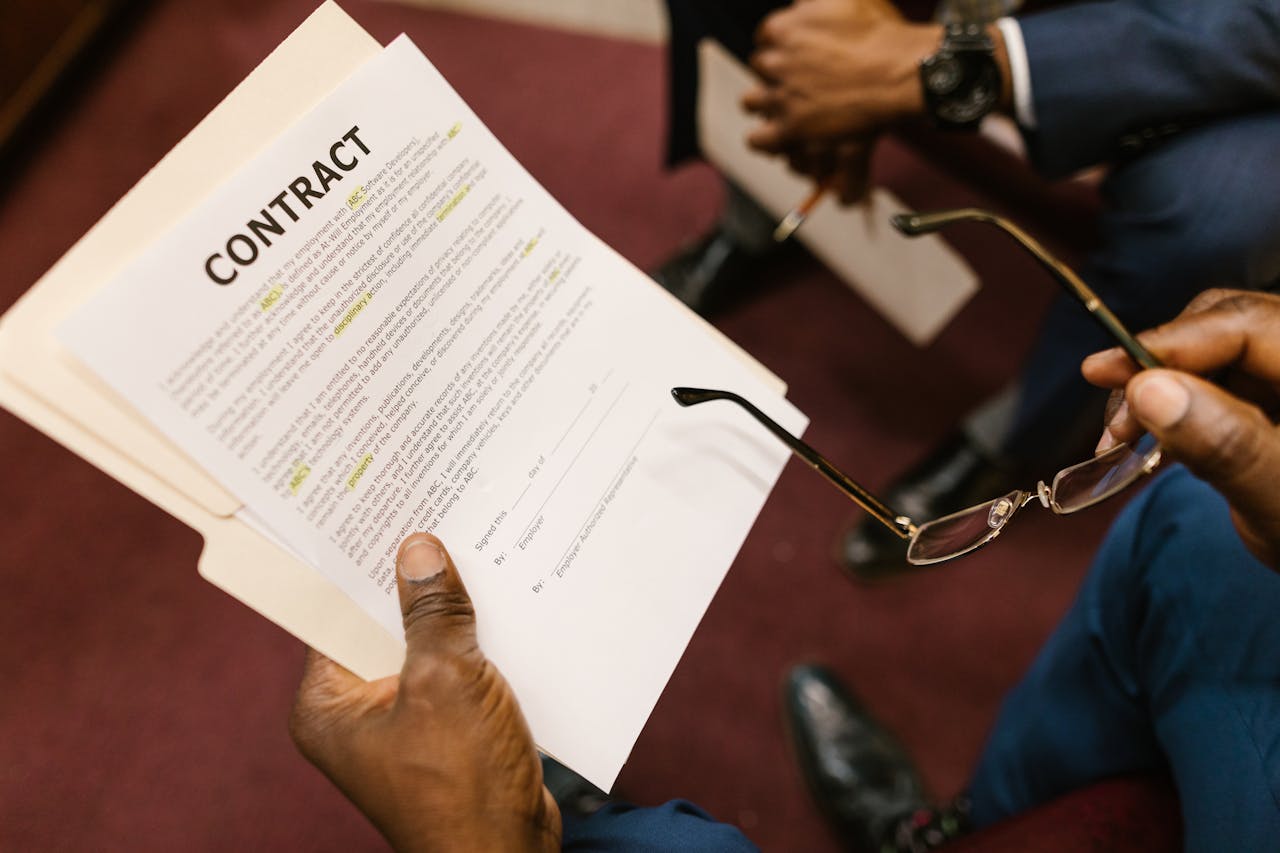


When individuals or businesses become involved in a legal dispute, understanding the available options and court procedures can make the situation easier to navigate. Civil litigation in Dubai covers a broad range of disputes involving financial claims, contractual obligations, property matters, business relationships, and other civil rights.
The legal process can involve several stages, from assessing the dispute and gathering evidence to filing a claim, responding to the opposing party, attending hearings, and obtaining a judgment. Understanding how these stages generally work can help parties make informed decisions and prepare for what may lie ahead.
What Is Civil Litigation in Dubai?
Civil litigation refers to the legal process used to resolve disputes between individuals, businesses, or other parties through the courts. Unlike criminal proceedings, civil cases generally concern private rights, obligations, financial claims, or other non-criminal matters.
Civil disputes UAE parties may encounter can involve issues such as:
- Contractual disagreements
- Unpaid debts and financial claims
- Property disputes
- Compensation claims
- Business-related disagreements
- Construction disputes
- Breach of contractual obligations
- Employment-related civil claims
- Insurance disputes
The appropriate legal process depends on the nature of the dispute, the parties involved, the applicable laws, and the relevant court or jurisdiction.
What Are Common Reasons for Civil Litigation?
Civil cases can arise for many different reasons. In some situations, the parties may have attempted to resolve the matter privately but were unable to reach an agreement.
1. Breach of Contract
Contract disputes are a common reason for civil litigation. A party may claim that another party failed to meet its contractual obligations, failed to make a required payment, delivered inadequate performance, or violated another term of the agreement.
The contract itself can become an important piece of evidence when determining the parties’ rights and obligations.
2. Debt and Payment Disputes
Businesses and individuals may become involved in litigation when money owed under an agreement or other legal obligation remains unpaid.
The claimant may need to provide documents demonstrating the debt, payment obligations, invoices, correspondence, and other relevant evidence.
For matters involving unpaid amounts, parties may also need to consider available debt recovery options.
3. Property Disputes
Property-related disputes can involve ownership, possession, contractual obligations, rental relationships, construction issues, or disagreements concerning property transactions.
Because property matters can involve substantial financial interests, obtaining appropriate legal advice can be particularly important.
4. Business and Commercial Disputes
Companies may face disputes involving suppliers, customers, partners, shareholders, contractors, or other commercial parties.
These disputes may involve contracts, payments, services, business obligations, or disagreements over commercial transactions.
5. Compensation Claims
A civil claim may also arise when one party seeks compensation for losses or damage allegedly caused by another party.
The legal basis for the claim and the evidence required will depend on the circumstances.
How Does Civil Litigation in Dubai Generally Work?
The precise procedure can vary depending on the type of case, applicable laws, court, and circumstances. However, civil litigation generally involves several important stages.
1. Assessing the Legal Claim
Before starting proceedings, the claimant should understand the nature of the dispute and determine whether there is a legal basis for bringing a claim.
This assessment may involve reviewing contracts, correspondence, financial documents, evidence, and other relevant information.
It is also important to consider the potential costs, risks, available remedies, and appropriate forum for the dispute.
2. Gathering Evidence
Evidence can play an important role in civil proceedings.
Depending on the case, relevant evidence may include:
- Contracts and agreements
- Invoices and payment records
- Emails and correspondence
- Property documents
- Expert reports
- Photographs and other records
- Business documents
- Official communications
Organizing evidence early can help create a clearer understanding of the dispute and support the legal arguments being made.
3. Filing the Case
If litigation is considered appropriate, the claimant can initiate proceedings through the relevant court and according to the applicable procedural requirements.
The claim generally identifies the parties, explains the basis of the dispute, and sets out the relief or remedy being requested.
The specific filing requirements can depend on the nature of the case and the applicable jurisdiction.
4. Notification of the Other Party
Once proceedings have been initiated, the opposing party must be notified according to the applicable legal procedures.
The defendant may then have an opportunity to respond to the claims and present their own arguments and evidence.
5. Court Hearings
Civil cases may involve multiple hearings or procedural stages. The court considers the submissions, evidence, arguments, and other relevant information presented by the parties.
Depending on the dispute, the court may also consider expert evidence or request additional information before reaching a decision.
6. Judgment
After considering the case, the court may issue a judgment addressing the claims and defenses presented by the parties.
The outcome depends on the facts, evidence, applicable law, and arguments presented during the proceedings.
Depending on the circumstances and applicable rules, parties may have rights relating to appeal or other legal procedures.
What Is the Role of a Litigation Lawyer in Dubai?
A litigation lawyer Dubai businesses or individuals choose can assist with various aspects of a civil dispute.
Legal representation may involve reviewing the facts, assessing legal arguments, preparing documents, presenting submissions, communicating with the opposing party, and representing the client during proceedings.
A lawyer can also help explain procedural requirements and potential options based on the circumstances of the case.
The exact role depends on the nature of the dispute and the client’s objectives.
Why Is Evidence Important in Civil Litigation?
Evidence helps establish the facts and supports the legal arguments made by each party.
For example, in a contractual dispute, the written agreement may be important for determining the obligations of each party. Emails, invoices, payment records, delivery documents, and other communications may also help establish what happened.
Parties should preserve relevant documents rather than deleting or altering records that may become important to the case.
Organizing evidence chronologically can also make it easier to understand how the dispute developed.
Can Civil Disputes Be Resolved Without a Trial?
Not every civil dispute needs to proceed through a full trial. Depending on the circumstances, parties may be able to resolve their disagreement through negotiation, mediation, settlement, or another appropriate dispute resolution process.
A negotiated settlement can sometimes save time and reduce the uncertainty associated with prolonged litigation.
However, settlement is not appropriate for every dispute. The parties should evaluate their legal position and potential outcomes before accepting or rejecting a settlement proposal.
Arbitration may also be considered in appropriate circumstances. Businesses and individuals can learn more about this process through UAE arbitration.
What Happens If a Settlement Is Reached?
When parties reach a settlement, the terms should be properly documented so that each side understands its obligations.
Depending on the circumstances and legal procedure involved, the settlement may need to be recorded or formalized through an appropriate legal process.
Before agreeing to a settlement, parties should understand what rights they may be giving up, what payments or actions are required, and what happens if the settlement terms are not followed.
How Long Does Civil Litigation Take in Dubai?
There is no fixed timeframe for every civil case. The duration can depend on the complexity of the dispute, the number of parties involved, the evidence required, procedural matters, expert involvement, hearings, and whether an appeal occurs.
A straightforward dispute may move through the process differently from a complex commercial or property case involving extensive evidence.
Because timelines can vary, parties should discuss the expected process and potential delays with their legal representative based on the specific circumstances of their case.
What Can Affect the Outcome of a Civil Case?
Several factors can influence the outcome of civil litigation.
1. Quality of Evidence
Strong, relevant, and properly documented evidence can help support a party’s position.
2. Contractual Terms
When a dispute arises from a contract, the wording of the agreement can be particularly important.
3. Applicable Law
The laws applicable to the dispute determine the legal rights, obligations, procedures, and potential remedies.
4. Legal Arguments
How the facts and evidence are presented can influence how the court understands the dispute.
5. Procedural Compliance
Failing to follow applicable procedural requirements can create additional complications. Parties should understand the relevant deadlines and court requirements.
What Should You Do Before Starting Civil Litigation?
Before filing a civil claim, take time to understand the dispute and collect relevant information.
Start by gathering contracts, correspondence, invoices, payment records, notices, photographs, and other documents connected with the matter.
You should also identify the key events that led to the dispute and create a clear timeline. This can help a lawyer evaluate the situation more efficiently.
It is also important to consider whether negotiation or another dispute resolution method could provide a practical solution before formal proceedings begin.
How Vision & Solution Legal Consultancy Can Help
Civil disputes can involve financial, commercial, and personal consequences, making appropriate legal guidance important.
Vision & Solution Legal Consultancy can assist clients with civil litigation matters by helping them understand their legal position, prepare relevant documentation, evaluate available options, and navigate applicable legal procedures.
Whether a dispute concerns a contract, property, payment, business relationship, or another civil matter, obtaining legal guidance at an appropriate stage can help clients make informed decisions.
Final Thoughts
Civil litigation in Dubai can involve several stages, from evaluating a potential claim and gathering evidence to filing proceedings, responding to the opposing party, attending hearings, and obtaining a judgment.
The process and requirements can vary depending on the type of dispute, applicable law, court jurisdiction, evidence, and circumstances of the parties involved.
If you are facing civil disputes UAE laws and procedures may apply to, it is important to understand your rights and available options before taking significant action. Early legal advice can help you assess the situation, preserve relevant evidence, and determine whether litigation, negotiation, settlement, or another approach may be appropriate.
If you need assistance understanding your legal options, contact Vision & Solution Legal Consultancy to discuss your matter.
Frequently Asked Questions
1. What is civil litigation in Dubai?
Civil litigation is the court-based process used to resolve disputes between individuals, businesses, or other parties concerning private rights, financial claims, contractual obligations, property matters, and other civil issues.
2. What are common civil disputes in the UAE?
Common civil disputes can involve contracts, unpaid debts, property, business relationships, compensation claims, construction matters, insurance, and other financial or contractual obligations.
3. Do all civil disputes need to go to court?
No. Depending on the circumstances, parties may resolve disputes through negotiation, mediation, settlement, or another dispute resolution method without proceeding through a full court trial.
4. How long does civil litigation take in Dubai?
The timeframe varies depending on the complexity of the case, evidence, hearings, expert involvement, procedural requirements, and whether an appeal is pursued. There is no single timeframe that applies to every civil case.
5. When should I speak to a litigation lawyer in Dubai?
You may want to seek legal advice when a serious civil dispute arises, before filing a claim, after receiving a legal notice, or when you need to understand your rights and potential options. Early advice can help you make informed decisions about the appropriate next steps.